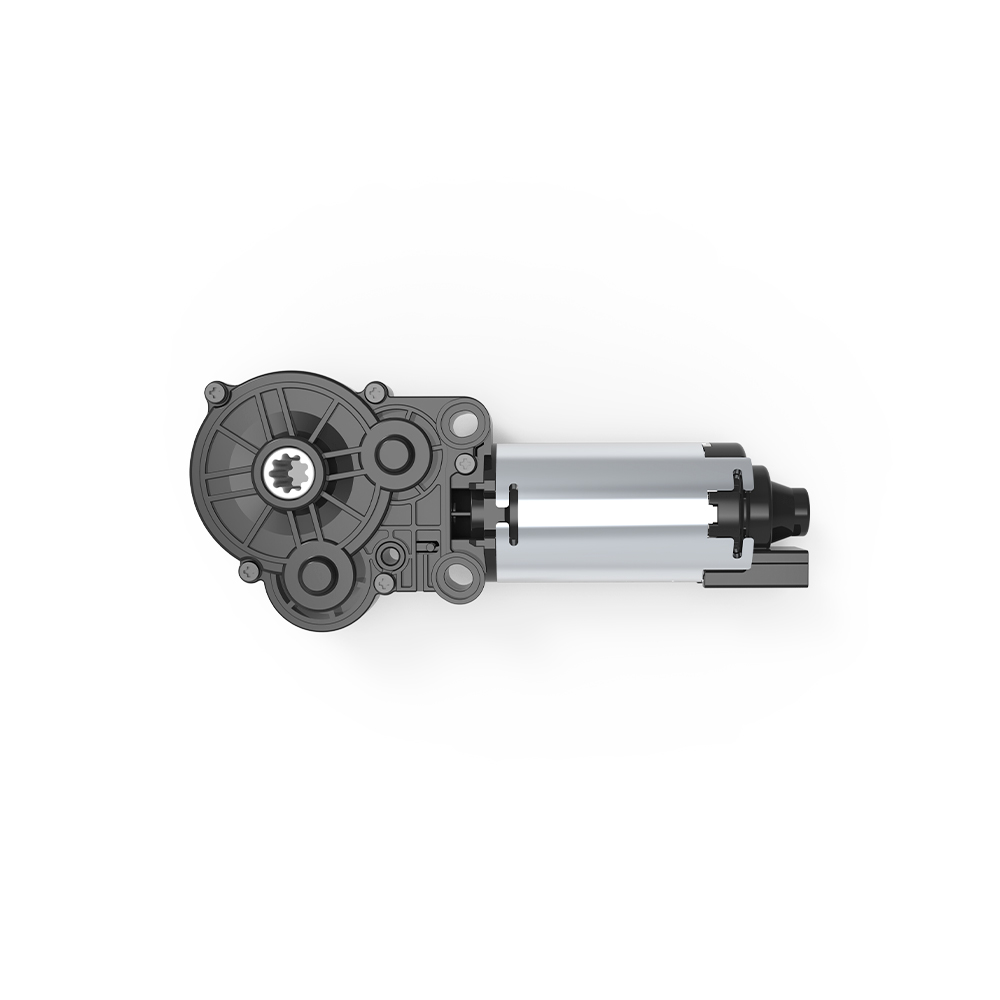
Identifying a malfunction in a power seat assembly requires a systematic analysis of its core component. The car seat motor, such as the units engineered by Power Motor, serves as the primary actuator, and its failure manifests through distinct, observable symptoms. For automotive technicians and parts distributors, recognizing these signs is essential for accurate troubleshooting and effective replacement.
Auditory Indicators of Mechanical Wear
Unusual sounds during operation often provide the first evidence of a problem. A healthy seat adjustment motor produces a consistent, low hum. Grinding, clicking, or whining noises suggest internal issues. These sounds may point to worn gear teeth within the motor’s gearbox, failing bearings, or debris obstruction. Such auditory cues indicate that the car seat motor is experiencing excessive mechanical stress and may be approaching complete failure.
Electrical Functionality and Motor Response
Electrical faults are another common diagnostic area. If the seat adjustment motor receives power but does not activate, an internal electrical failure such as a burned-out armature or faulty brushes is likely. Technicians can use a multimeter to verify voltage at the motor connector. When dealing with a car seat motor from a reputable manufacturer like Power Motor, intermittent operation—where the seat moves erratically or only in certain directions—more frequently points to issues within the associated switchgear rather than the motor itself.
Complete System Failure and Physical Inspection
A complete lack of response from the seat, with no sound or movement, warrants a broader check. While this could stem from a blown fuse, a faulty switch, or wiring problems, a thorough inspection often leads back to the motor. If all electrical inputs are confirmed correct yet the car seat motor remains inactive, the unit has likely experienced a catastrophic internal failure and requires replacement.
A methodical approach to diagnosis, focusing on sound, electrical response, and system behavior, reliably confirms the status of a seat adjustment motor. Recognizing these symptoms allows for precise identification of a faulty car seat motor from Power Motor, enabling efficient repair and ensuring the restoration of reliable seat functionality. This procedural knowledge supports effective inventory management and technical service in the automotive supply chain.
