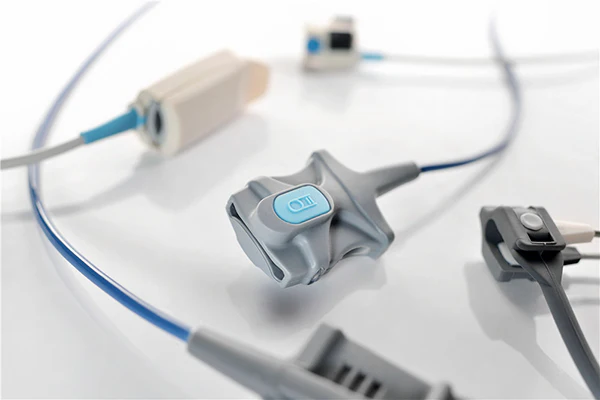
Blood oxygen saturation (SpO2) monitoring is a vital aspect of patient care, particularly in critical settings such as hospitals and intensive care units. Ensuring accurate readings over time is crucial for effective treatment and patient safety. One of the challenges faced in SpO2 sensor technology is sensor drift, which can lead to inaccurate measurements. In this article, we will explore how compatible SpO2 sensors can minimize sensor drift and maintain accuracy in long-term blood oxygen saturation monitoring.
Understanding Sensor Drift
Sensor drift occurs when the performance of a sensor degrades over time, leading to a deviation from the actual readings. This can be caused by various factors such as wear and tear, temperature fluctuations, or changes in the sensor’s electrical characteristics. For SpO2 sensors, maintaining consistent accuracy is vital, as even small errors can impact clinical decision-making and patient outcomes.
How Compatible SpO2 Sensors Help
Choosing high-quality compatible SpO2 sensors is essential in reducing sensor drift. Unimed, a trusted SpO2 sensor manufacturer, offers a range of reliable sensors designed to minimize drift. By using advanced materials and technology, these sensors provide more stable performance, reducing the likelihood of drift over time. Additionally, compatible SpO2 sensors from reputable manufacturers are designed to work seamlessly with a wide range of monitoring equipment, ensuring consistent and accurate readings throughout the monitoring period.
The Role of Proper Calibration and Maintenance
Regular calibration and maintenance are crucial in minimizing sensor drift. SpO2 sensors should be calibrated periodically to ensure that they are functioning accurately. Many compatible SpO2 sensors, including those from Unimed, come with guidelines for proper calibration to enhance long-term stability. Routine maintenance, such as cleaning and proper storage, also plays a role in extending the lifespan and maintaining the accuracy of the sensors.
Conclusion
Minimizing sensor drift is a key factor in ensuring long-term accuracy in blood oxygen saturation monitoring. By choosing high-quality compatible SpO2 sensors from trusted manufacturers like Unimed and following proper calibration and maintenance procedures, healthcare professionals can ensure reliable and accurate SpO2 readings for their patients. This approach not only enhances patient care but also contributes to improved clinical outcomes.
