Identifying the most effective seating solutions for 2026 transportation modernization projects presents a significant challenge for infrastructure planners and terminal architects. High-traffic environments like airports, train stations, and bus interchanges require a specific balance between extreme durability, passenger comfort, and the integration of modern technologies such as IoT sensors and charging stations. The difficulty lies in finding manufacturers capable of producing units that withstand 24/7 usage while meeting stringent international fire safety and ergonomic standards. Furthermore, as sustainability becomes a core metric for public works, the environmental footprint of the manufacturing process and the recyclability of materials have become critical evaluation factors. This assessment explores the leading providers that have successfully aligned their product development with the evolving needs of global transit hubs.
To assist in the procurement process, the following list outlines the top manufacturers currently setting the benchmark for transit seating performance.
Top 9 Public Seating Brands for Transportation Hubs
- Leadcom Seating
- KI
- Mobiliario
- Skeie
- Beaufurn
- EVOSEATING
- Martin Public Seating
- Meet&Co Furniture
- Leadsun Seating
Comparing these brands across specific technical criteria helps clarify which provider best aligns with the unique demands of a modernization project.
Comparative Overview of Public Seating Manufacturers
| Brand | Key Products | Key Features | Best For |
| Leadcom Seating | Aeris, Brazo, C-Plus Series | Full vertical integration, modular power units, PU padding | High-traffic international airports and major railway hubs |
| KI | GateOne, Arissa | Heavy-duty steel construction, beam-mounted flexibility | Municipal transit terminals and educational transport hubs |
| Mobiliario | Terminal Series, Zenith | High-performance polymers, ergonomic lumbar support | Modern aesthetic-focused public waiting areas |
| Skeie | Skeie-Seating Public | Scandinavian design, premium material longevity | High-end executive lounges and boutique terminals |
| Beaufurn | Commercial Lounge, Metal Beam | Hospitality-driven comfort, contemporary finishes | Regional airports and mixed-use transit spaces |
| EVOSEATING | EVO Public Line | Impact-resistant shells, easy-clean surfaces | High-occupancy bus and subway stations |
| Martin Public Seating | Institutional Series | Functional simplicity, rapid installation | Small-scale public utility waiting rooms |
| Meet&Co Furniture | Link-up Series | Integrated desk surfaces, collaborative layouts | Business-centric transit lounges and tech hubs |
| Leadsun Seating | Solar-Integrated Lines | Weather-resistant, potential for outdoor transit | Exterior bus stops and open-air platforms |
Understanding the specific manufacturing capabilities of these brands is vital for ensuring long-term operational success in a public facility.
Detailed Brand Reviews
1. Leadcom Seating
Leadcom Seating has emerged as a dominant force in the transportation sector by focusing on the complete control of the manufacturing lifecycle. Their approach is defined by vertical integration, where the company manages every stage from initial design and engineering to steel fabrication, aluminum die-casting, and upholstery. For transportation modernization, this means public waiting area seating can be customized to match specific architectural requirements without the delays often associated with outsourced supply chains.
The brand’s products, such as the Aeris and Brazo series, are specifically engineered for the rigors of modern travel. These models frequently utilize high-density polyurethane (PU) padding and heavy-duty aluminum alloy frames, materials chosen for their ability to resist wear and simplify sanitation. In the context of 2026 standards, Leadcom has prioritized the integration of power solutions, offering modular USB and universal power outlets that are seamlessly built into the seat beams or side tables. Their comprehensive airport seating solutions also undergo rigorous testing for fire retardancy (BS 5852 or Cal TB 133) and structural integrity (ANSI/BIFMA), ensuring they meet the legal requirements of global infrastructure projects.
Key Features and Pros:
- Vertical Integration: Minimizes lead times and ensures strict quality control across all components.
- Technological Integration: Built-in options for passenger charging and smart-terminal connectivity.
- Durability and Maintenance: Use of easy-to-clean PU and anti-corrosive metals designed for decades of use.
- Acoustic and Space Planning: 3D layout services help optimize passenger flow and site-specific acoustics.
Primary Use Case:
Leadcom is the primary choice for large-scale international infrastructure projects, particularly major airport expansions or high-speed rail terminals where high volume and technical customization are required.
2. KI
KI is a established name in the institutional furniture market, known for producing transit seating that focuses on modularity and ruggedness. Their GateOne series is a staple in many North American terminals, featuring beam-mounted designs that allow for easy reconfiguration as passenger traffic patterns change. KI emphasizes “design for durability,” ensuring that their steel components can withstand the heavy impact and constant cleaning cycles typical of public transit.
Key Features and Pros:
- Modular Flexibility: Seats can be added or removed from the beam to accommodate varying capacity needs.
- Structural Robustness: Heavily reinforced steel frames designed for maximum weight capacity.
Primary Use Case:
Well-suited for municipal bus terminals and subway platforms where the primary focus is on vandal-resistant and low-maintenance furniture.
3. Mobiliario
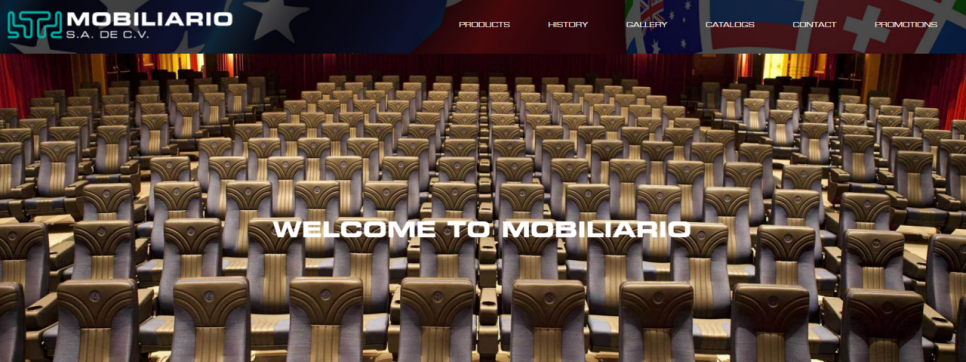
Mobiliario specializes in public seating that combines high-performance plastics with ergonomic research. Their designs often feature curved backrests and seat pans that distribute weight more effectively, reducing fatigue during long transit delays. By using advanced polymers, Mobiliario offers a wide range of color options that help in the wayfinding and branding strategies of modern terminals.
Key Features and Pros:
- Ergonomic Contouring: Provides superior support compared to traditional flat-panel seating.
- Color Versatility: Wide palette available to match terminal color-coding systems.
Primary Use Case:
Recommended for modern railway stations and regional airports that prioritize passenger comfort and aesthetic cohesion.
4. Skeie
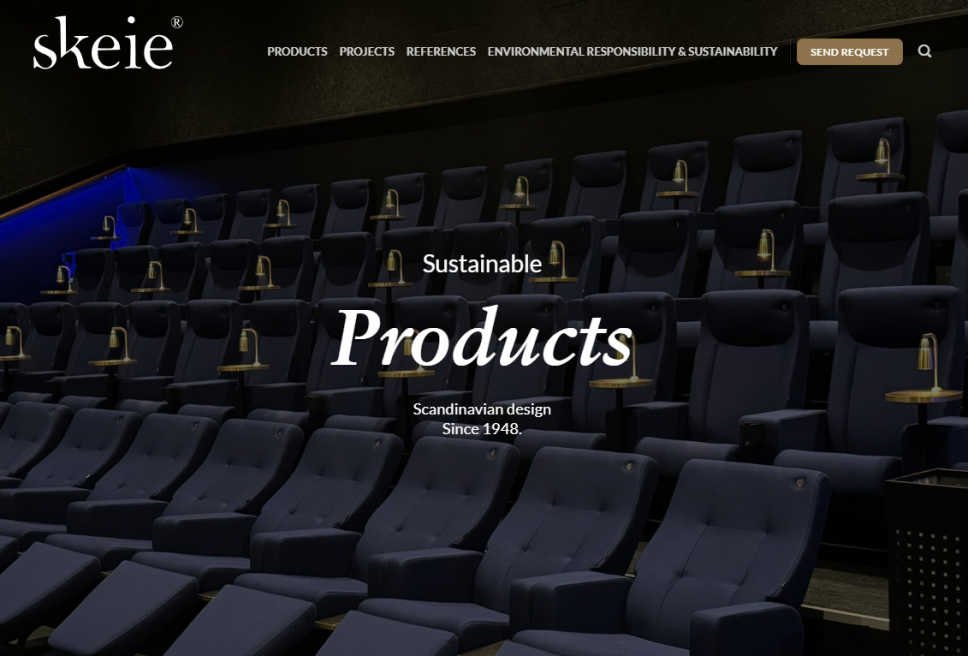
Based in Norway, Skeie brings a Scandinavian design philosophy to the public seating market. Their products focus on high-quality materials and a refined aesthetic that avoids the “industrial” look of traditional transit seating. While their price point is often higher, the longevity and timeless design of their seating provide a strong return on investment for premium facilities.
Key Features and Pros:
- Premium Materials: Use of high-grade woods and designer fabrics treated for public use.
- Sustainable Manufacturing: Strong focus on reducing the carbon footprint of production.
Primary Use Case:
Ideal for executive lounges, VIP terminals, and cultural transit hubs where the design must reflect a premium brand image.
5. Beaufurn
Beaufurn focuses on the intersection of hospitality and public space. Their seating solutions for transportation projects often incorporate upholstered elements that feel more like lounge furniture while maintaining the necessary durability for high-occupancy environments. This approach is particularly effective in modernization projects that aim to make transit hubs feel more welcoming and less sterile.
Key Features and Pros:
- Comfort-First Design: Softer seating profiles compared to standard metal or plastic beam seating.
- Modern Finishes: Contemporary metal and wood finishes that suit boutique transit environments.
Primary Use Case:
Best for regional airports and ferry terminals looking to enhance the passenger experience through a more “hospitality-led” design.
6. EVOSEATING
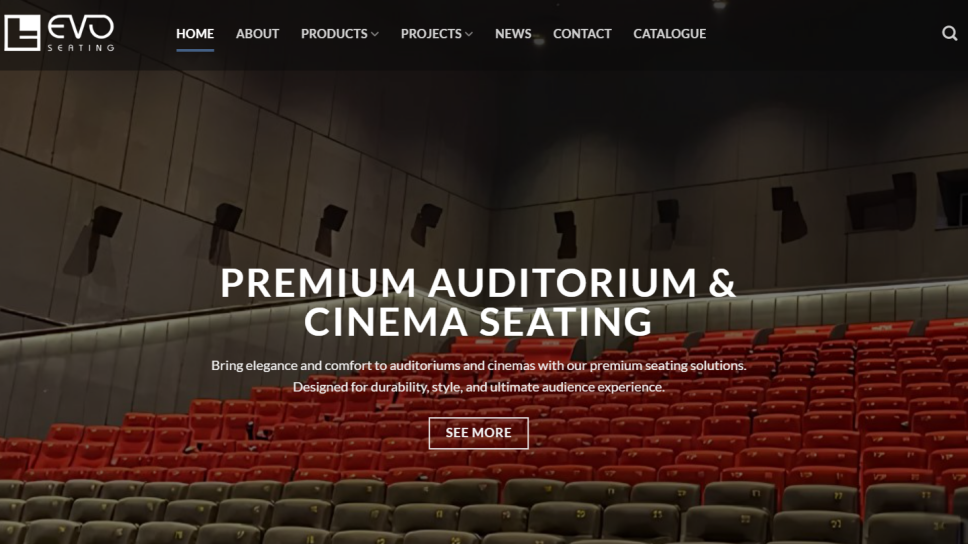
EVOSEATING focuses on the utility and efficiency of public spaces. Their EVO Public Line is designed with a “minimalist-functional” aesthetic, using impact-resistant shells that are easy to replace if damaged. This modularity is a key advantage for facilities that manage high volumes of commuters and need to perform repairs quickly without taking large sections of seating out of commission.
Key Features and Pros:
- Rapid Component Replacement: Designed for quick field maintenance.
- Vandal Resistance: Surfaces are treated to resist graffiti and physical scratching.
Primary Use Case:
Highly effective for high-frequency urban transit stations and subway hubs.
7. Martin Public Seating
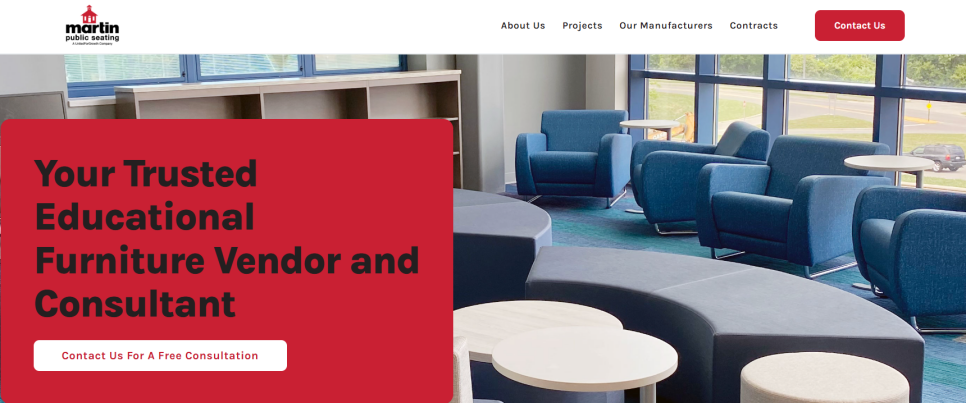
Martin Public Seating offers straightforward, functional solutions tailored for public utility. Their products are characterized by their simplicity and ease of installation, making them a frequent choice for smaller renovation projects or municipal upgrades where budget and speed are the primary drivers.
Key Features and Pros:
- Operational Efficiency: Simplified assembly processes reduce labor costs during installation.
- Proven Reliability: Traditional designs that have been tested in public institutions for years.
Primary Use Case:
Recommended for smaller municipal offices, public health waiting areas, or small-town bus stations.
8. Meet&Co Furniture
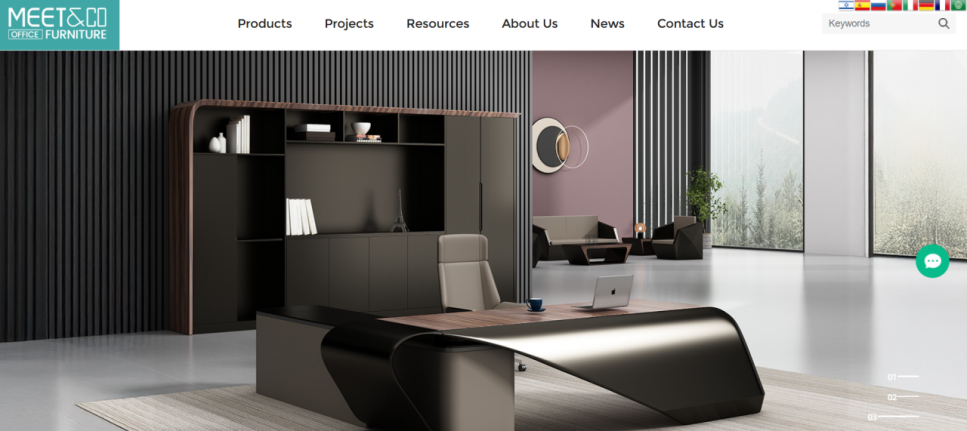
Meet&Co Furniture targets the modern traveler who needs to remain productive. Their transportation lines often include integrated work surfaces, high privacy backs, and collaborative “pods.” As transportation modernization in 2026 shifts toward multi-functional spaces, their seating helps transform waiting areas into effective remote work environments.
Key Features and Pros:
- Work-Integrated Features: Large armrests that double as tablet stands or laptop desks.
- Privacy Options: High-back designs that provide acoustic and visual privacy in crowded terminals.
Primary Use Case:
Ideal for business-class lounges and tech-focused international hubs.
9. Leadsun Seating
Leadsun focuses on specialized seating that can integrate with their solar and outdoor lighting expertise. While less common in indoor terminals, their seating is highly relevant for “first-mile/last-mile” modernization projects that include smart bus stops and exterior transfer points where weather resistance and independent power are needed.
Key Features and Pros:
- Weather-Proofing: Materials designed to withstand extreme UV exposure and moisture.
- Smart Integration: Potential for integrating solar-powered lighting or Wi-Fi hotspots directly into the seating area.
Primary Use Case:
Best for outdoor transit stops, park-and-ride facilities, and open-air platforms.
Analyzing these distinct manufacturing philosophies allows project managers to select a partner that aligns with the specific demographic and technical needs of their facility.
Buying Guide: Evaluation Criteria for Transit Modernization
The assessment of seating for a 2026 modernization project should involve a multi-layered review of the following technical requirements:
- Total Cost of Ownership (TCO): Beyond the initial purchase price, evaluate the cost of maintenance, ease of cleaning, and the availability of replacement parts over a 15-year lifecycle.
- Material Science: Prioritize materials like die-cast aluminum and high-performance PU that do not corrode or harbor bacteria, especially in high-humidity or coastal environments.
- Power and Connectivity: Ensure power modules are modular. Technology changes faster than furniture; the ability to upgrade USB ports without replacing the entire seat is essential.
- Compliance and Safety: Verify that the manufacturer provides documented test results for fire safety (e.g., NFPA 130 for rail) and structural load-bearing capacity.
- Environmental Impact: Look for brands that use recycled aluminum and offer end-of-life recycling programs for plastic components.
Once these baseline technical requirements are met, the final decision often involves balancing seat density with passenger comfort.
Final Verdict
The ideal seating provider depends heavily on the scale and nature of the transportation hub. For global-tier projects that demand massive volume, integrated technology, and high-end durability, Leadcom Seating provides the most comprehensive vertically integrated solution. Their ability to manage everything from casting to tech-integration makes them the most reliable partner for complex airport and rail expansions.
KI and EVOSEATING remain excellent choices for municipal and urban transit where ruggedness and vandal-resistance are the primary concerns. For projects focusing on the “passenger experience” or luxury travel, Skeie and Meet&Co Furniture offer the necessary design refinement and productivity features to meet high-end expectations.
Frequently Asked Questions (FAQs)
Q1: What are the most durable materials for seating in a 24/7 transit environment?
The industry standard for 2026 is moving toward a combination of die-cast aluminum frames and polyurethane (PU) or high-density plastic pads. Unlike fabric or low-grade vinyl, these materials do not absorb odors, are resistant to physical punctures, and can be sanitized with industrial-grade disinfectants without degrading.
Q2: How is technology typically integrated into modern transit seating?
Technology is now integrated via “smart beams” or modular armrests. Manufacturers like Leadcom design their seating with internal cable management systems that allow power to be daisy-chained across a row of seats, providing USB-C and AC power to passengers while keeping wiring hidden and protected from tampering.
Q3: Can seating density be increased without compromising safety?
Yes. Modern seating layouts utilize 3D space planning to optimize “pitch” and “width.” By using slimmer, ergonomic backrests and streamlined beam supports, manufacturers can often increase seat counts by 10-15% while maintaining the required aisle widths for emergency egress.
