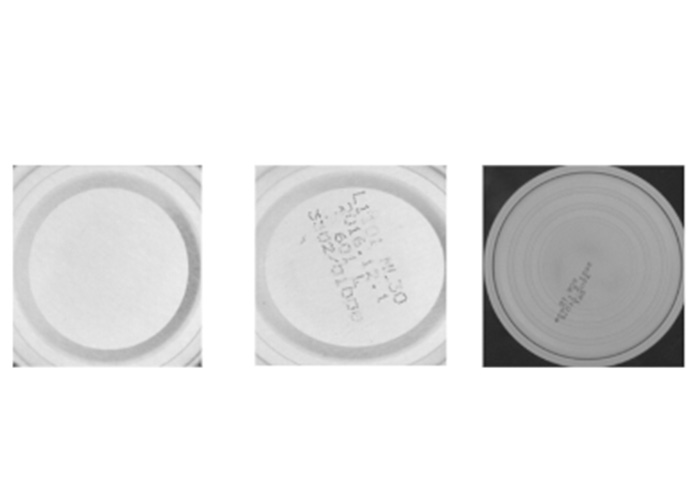
Modern packaging facilities deploy high-resolution optical sensors. These sensors work with intelligent image-processing algorithms. Together, they help reduce label and seal defect escape rates. The rate can fall below 0.1 percent. Flawless surface validation across high-speed conveyances prevents damaged containers from exiting factory floors. Integrating a robust vision inspection machine into primary packaging flows helps facilities verify lot codes, legal text, and structural closure integrity in real time. Automated oversight helps protect brand reputation and increase throughput across supply chains. Foodman Vision provides real-time tracking on assembly lines.
Manufacturing environments often encounter variable lighting, rapid line speeds, and minor container vibration during daily operations. Optical hardware addresses these challenges by capturing multi-angle images within milliseconds, converting raw visual data into precise physical assessments. Rather than relying on periodic manual checks, automated oversight maintains constant quality standards across every production shift.
Technical Fundamentals of Multi-Angle Optical Scanning
Capturing clear images of cylindrical or curved packaging requires strategic light positioning and synchronized shutter timing. Advanced lighting arrays illuminate physical surfaces uniformly, removing glare that might hide microscopic micro-fractures or smudged print characters.
High-definition lenses transmit structural data directly to localized processing units where custom software analyzes geometry against predetermined tolerances. This immediate assessment distinguishes between harmless cosmetic dust and severe structural failures along critical container seams.
Container orientation shifts dynamically during transport, making dynamic edge-tracking essential for consistent code reading. Algorithmic software adjusts scanning coordinates on the fly, rendering minor physical misalignments completely harmless during evaluation.
Verification Protocols for Printed Codes and Expiration Dates
Character recognition frameworks inspect inkjet, thermal, and laser-marked text to verify legibility and alphanumerical correctness. Unreadable lot numbers or missing expiration dates create major regulatory compliance risks, often triggering expensive product recalls.
Optical character verification algorithms cross-reference printed text against batch databases instantly, catching unexpected layout shifts or faded ink lines before items undergo final cartoning. Correcting print head misalignments early reduces overall material waste across extended shifts.
Certain specialized solutions, including the versatile Foodman Vision Inspection System, combine 360-degree cameras with deep-learning tools to identify tiny print flaws across fast-moving production lines. Deploying such high-sensitivity equipment maintains strict quality control without causing line slowdowns or mechanical bottlenecks.
Critical Methods for Packaging Seal Integrity Assessment
Sealing flaws represent one of the primary causes of premature food spoilage and pharmaceutical contamination. Heat-sealed films, screw caps, and tamper-evident bands require precise physical verification to maintain biological barrier protection.
Thermal imaging and high-contrast lighting reveal trapped particulate matter within film seals, identifying compromised barriers that standard visual checks miss. Detecting these microscopic channel leaks prevents defective inventory from reaching store shelves.
Deploying a reliable vision inspection machine along secondary packaging stages provides an reliable defense against loose cap closures or misaligned foil lids. Continuous physical monitoring protects product freshness throughout long distribution cycles.
Integrating Automated Oversight into Legacy Conveyance Lines
Retrofitting existing conveyor belts with modular camera brackets minimizes expensive structural overhaul requirements during facility upgrades. Adjustable mounting frames let engineers position optical sensors close to critical fill stations or capping apparatuses.
Standardized digital communication protocols allow optical processing units to exchange operational data directly with programmable logic controllers. When hardware detects a defective seal, air ejectors remove the item instantly without interrupting downstream traffic.
Adapting processing workflows to handle diverse bottle shapes or variable label materials takes only minutes using saved digital profiles. Flexible configuration software reduces downtime whenever production shifts between distinct product sizes.
Custom Engineering and Commercial Support
Packaging operations rarely share identical requirements. Container shapes, label materials, line speeds, and defect criteria vary from plant to plant. Foodman Vision accommodates these differences through OEM and ODM collaboration. Camera positioning, lens selection, lighting configuration, and rejection logic can be adjusted to match a specific production environment. Software interfaces may also be adapted to communicate with existing control platforms.
For B2B customers, customization extends beyond hardware. Sample trials with actual packaging help confirm that inspection criteria align with real defects. Installation support, operator training, and spare parts programs form part of the commercial agreement. These services reduce the learning curve when a new inspection stage is introduced.
Long-term support matters as products evolve. New package designs or label layouts can be accommodated through profile updates rather than equipment replacement. Technical assistance remains available when production conditions change. This approach treats the vision inspection machine as an adaptable part of the line, not a fixed piece of equipment.
Data Analysis Strategies for Continuous Process Refinement
Digital quality control frameworks generate comprehensive operational metrics that help plant managers optimize raw material usage. Pattern recognition software highlights subtle shift-by-shift trends, pointing out minor mechanical wear before catastrophic hardware failures occur.
Storing inspection images digitally creates an unalterable audit trail for regulatory agencies, proving compliance with international health standards. Historical data logs assist quality assurance teams in resolving customer complaints efficiently.
Deploying an advanced vision inspection machine across high-throughput production lines provides continuous quality validation, supporting high operational efficiency across pharmaceutical, cosmetic, and food packaging sectors. Precise physical monitoring helps companies maintain high manufacturing standards across every operational shift.
Final Insights on Automated Quality Control Excellence
Implementing optical monitoring strategies transforms modern packaging operations by combining rapid defect detection with comprehensive data tracking. Automated visual verification prevents mislabeled or poorly sealed items from entering supply chains, protecting consumer health and brand equity. Modern platforms like the Foodman Vision solution demonstrate how intelligent image processing reduces waste while maintaining steady production speed. Refining quality control workflows through continuous optical scanning remains essential for long-term manufacturing success.
