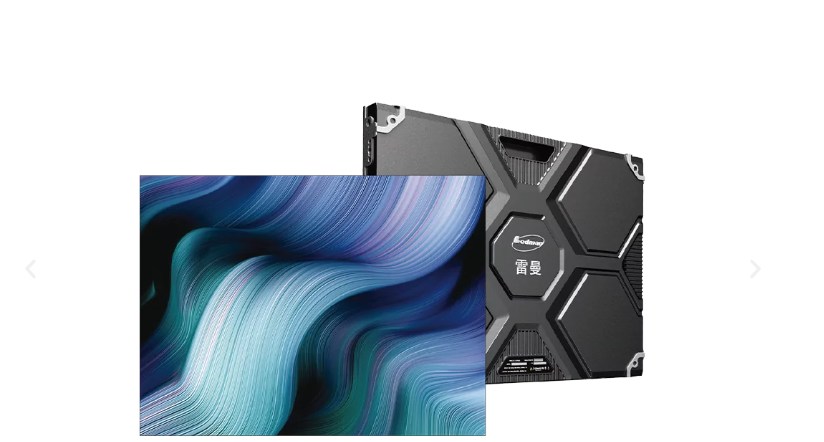
Purchase decisions become clearer when display quality is judged through measurable tests rather than specifications alone. A high resolution LED panel should be assessed for image uniformity, black levels, colour consistency, and refresh performance under realistic viewing conditions. Ledman’s KCⅡ Series offers 1.2mm, 1.5mm, 1.8mm, 2.0mm, and 2.5mm pixel pitches, with a 3840Hz refresh rate and die-cast aluminum cabinet.
Check Uniformity Across The Screen
Uniformity testing can reveal mura, module-to-module differences, and uneven brightness. Solid grey, white, and darker test patterns make subtle variations easier to notice. Viewers should inspect the screen from different distances and angles instead of judging only from close range.
Pixel pitch also affects perceived detail. Smaller spacing may suit close-viewing environments, while larger options can work effectively where the audience sits farther away. A high resolution LED panel should therefore be evaluated against the intended viewing distance rather than resolution alone.
Examine Black Levels And Colour
Dark-room testing provides useful information about black reproduction and contrast. Test content containing shadows, gradients, and low-light details can expose unwanted glow or inconsistent module performance.
Colour consistency deserves equal attention. Red, green, blue, skin tones, and neutral grey patterns can help identify differences between cabinets. Calibration history and available adjustment controls should also form part of the supplier discussion.
Verify Refresh Rate And Build Quality
Camera-based testing can reveal flicker that may not be obvious during ordinary viewing. The KCⅡ Series specifies a 3840Hz refresh rate, making refresh-rate verification particularly relevant for broadcast, event recording, and other camera-facing applications.
Cabinet construction should receive practical inspection as well. Die-cast aluminum can influence structural handling and thermal management, while installation teams should review module access and service procedures before procurement.
Conclusion
A meaningful demonstration should test visual uniformity, black performance, colour stability, and refresh behaviour under conditions resembling actual use. Technical specifications provide useful reference points, but direct evaluation reveals how those figures translate into viewing quality. Ledman’s KCⅡ Series gives buyers several pixel-pitch choices and a stated 3840Hz refresh rate, creating clear criteria for comparison. Such testing helps determine whether a high resolution LED panel fits the project’s viewing environment, content type, and technical expectations.
