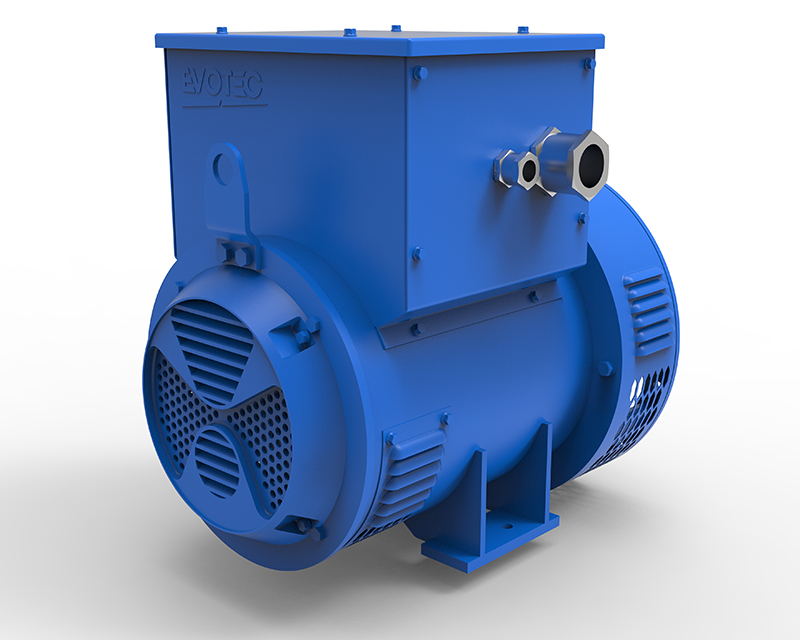
After a warm machinery compartment cools, moisture can settle on surfaces that appeared dry during operation. Windings and terminals may face this condensation without a wave ever reaching the alternator. Bilge humidity, salt carried through ventilation and seawater splash add further exposure, with different consequences for insulation and metal components.
The need for a waterproof alternator is therefore a practical vessel-design question about controlling water exposure. A 25kVA generator serving onboard loads still requires ventilation, suitable insulation and access for inspection. Protection begins with the routes by which moisture reaches the machine and continues through enclosure design, surface treatment and operating care.
Trace the Moisture Before Specifying Protection
Water vapor can condense when a surface falls below the surrounding air’s dew point. A stopped machine may consequently become damp as compartment conditions change. Prolonged moisture exposure can reduce insulation resistance and accelerate corrosion. Salt contamination adds conductive deposits, making a superficially dry surface an unreliable indication of electrical condition.
Seawater splash follows a more direct route through openings or poorly protected connections. In a 25kVA generator installation, the terminal box, cables and nearby controls form part of that exposure assessment. Locating the machine above vulnerable bilge areas and managing drainage can reduce contact with water before enclosure protection becomes the final barrier.
Flooding is a different event from airborne moisture or occasional spray. Describing a waterproof alternator does not establish that it can operate submerged. The exposure specification needs to distinguish condensation, splashing, driven rain and immersion, because a measure effective against one route may leave another open.
Combine Enclosure, Coating and Condensation Control
The enclosure limits ingress, while a protective coating addresses the surfaces inside it. EvoTec Power’s TCM188 marine family offers an example of that distinction: its standard protection is IP23, with additional marine varnish addressing moisture, mould and fog. The coating and the enclosure rating describe separate provisions, rather than a single promise of complete waterproofing.
IP23 provides defined protection against water spray under its rating conditions. IP44 extends water protection to splashing from any direction. Neither code denotes submersion resistance or proves corrosion resistance. Exposure assessment for a waterproof alternator follows potential water paths through the housing and terminals, then addresses ingress rating, coating, terminal sealing, and installation.
For a 25kVA generator project needing a different enclosure arrangement, EvoTec Power lists a separate IP44 customized family. The IP44 family uses its own model and integration specification, separately from the standard TCM188 configuration. Gaskets, cable entries and the ventilation path also belong to the assembled protection system, since an unprotected interface can admit water around a rated housing.
A space heater addresses condensation during standstill by keeping internal surfaces warm enough to discourage moisture deposition. Its supply and control arrangement require their own specification. This general design measure does not establish a heater as standard TCM188 equipment, nor does heating replace an approved assessment and drying procedure for already wet insulation.
Preserve Cooling and Protection in Service
Restricting an air opening can also restrict the heat-removal path. An alternator produces losses whenever it supplies power, so protection from water must coexist with adequate cooling. Higher ambient temperature reduces the available temperature difference for heat transfer. Output derating may then be necessary, even with the same insulation class and enclosure rating.
Protection at the housing cannot correct water trapped by the surrounding installation. Cable routes, nearby pipework and access covers can create exposure paths outside the machine’s factory enclosure. Shipyard drawings need to show where drainage leads and how safe inspection remains possible. During continuous vessel operation, a blocked airflow path or leaking connection can undermine the protection assumed at the design stage.
The TCM188 family includes 25 kVA configurations and specifies Class H insulation with 115 K temperature rise at 45°C ambient. Those conditions provide a reference for a 25kVA generator installation, rather than permission to ignore the actual inlet-air temperature. Optional PT100 winding and bearing sensors and PTC winding protection offer monitoring choices for the selected configuration.
Protection remains an operating concern after a waterproof alternator enters service. Rust, cracked cable insulation and loose mounting fasteners can reveal changes that were absent at commissioning. A burning smell, unusual metallic noise or excessive vibration warrants investigation and safe shutdown where appropriate. Inspection access makes those observations possible without dismantling unrelated vessel equipment.
Electrical loading also affects winding temperature. The highest loaded phase matters under unbalanced three-phase conditions, and low power factor can increase excitation demand. Current limits apply alongside environmental protection. Bearing service follows the model’s instructions; a greasing practice intended for an open bearing cannot automatically be transferred to a sealed-bearing machine.
Keep the Protection Effective Between Voyages
Dry, ventilated storage and rain protection preserve the machine while it is inactive. Before a 25kVA generator returns to vessel duty, its condition needs to agree with the model’s inspection and maintenance requirements. A waterproof alternator contributes to continuous onboard supply through the combined effect of enclosure, coating, cooling and care. Fresh corrosion, damaged seals or persistent dampness marks a changed protection condition that calls for a technical response.
