When PVC foam board manufacturers introduce new bio-based additives into existing formulations, the challenge is not only related to material development. The new formulation can also change the way PVC compounds behave during extrusion, creating challenges for production stability. Differences in melt viscosity, plasticization behavior, and foam expansion characteristics may affect the final board quality if the production process is not properly adjusted.
In practical manufacturing environments, these changes can appear as uneven cell structures, surface defects, unstable melt pressure, or thickness variations. For factories producing large volumes of PVC foam boards, maintaining consistent output while testing or adopting new formulations requires both suitable material control and flexible extrusion equipment.
Managing Material Changes in a PVC Foam Board Production Line
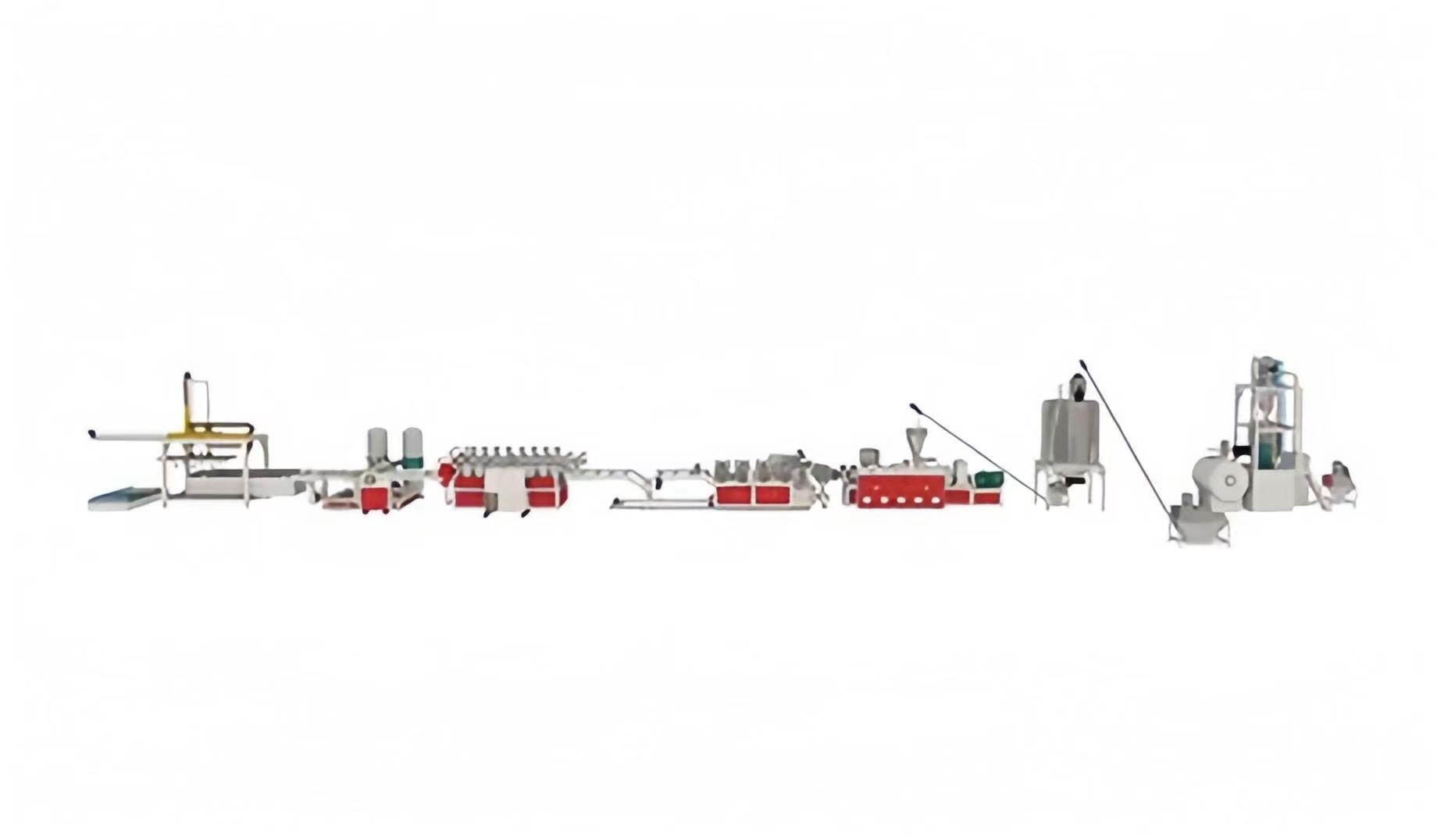
A pvc foam board production line requires precise coordination between material formulation and processing conditions. During production, PVC resin, stabilizers, foaming agents, processing modifiers, and other additives work together to determine the final board structure.
When bio-based additives are introduced, their interaction with existing components may influence the extrusion process. For example, changes in melt strength can affect how evenly gas cells form inside the board. If the material cannot maintain stable expansion behavior, manufacturers may experience uneven foam structures, which can influence mechanical performance and appearance.
Another common issue is surface quality. Variations in material flow or insufficient additive dispersion may contribute to surface imperfections such as rough textures or small marks. These problems are especially noticeable in applications where PVC foam boards require smooth decorative surfaces.
For production engineers, the key challenge is maintaining stable processing conditions while adapting to new material characteristics. The extrusion system must provide enough control to handle formulation changes without causing major disruptions to production.
How Bio-Based Additives Affect Extrusion Performance
The extrusion process depends on stable control of temperature, pressure, and material flow. When the formulation changes, these parameters may need to be adjusted because the new material composition can behave differently inside the extruder.
Changes in melt viscosity can directly influence extrusion pressure. If the melt becomes less stable during processing, pressure fluctuations may occur, making it difficult to maintain consistent output. These fluctuations can affect the forming stage and create variations in board thickness.
Foaming performance is another important consideration. PVC foam boards rely on controlled cell formation to achieve the required density and structure. If the interaction between additives and foaming agents changes, manufacturers may see differences in cell size distribution or internal structure.
For this reason, a suitable pvc foam board extrusion line needs to provide accurate parameter adjustment and stable operation. Temperature control, extrusion pressure management, and consistent material conveying are essential when processing formulations with different characteristics.
Improving Process Control for Consistent Board Quality
Adapting to new PVC formulations requires more than changing raw materials. The production team also needs to evaluate how the extrusion system responds to those changes.
During operation, temperature zones inside the extruder influence material plasticization and flow behavior. If heating conditions are not properly adjusted, the material may not reach a stable processing state, which can lead to uneven output. At the same time, maintaining consistent screw speed and pressure helps reduce fluctuations during continuous production.
The forming process also plays an important role. After extrusion, the material must pass through shaping and calibration stages under controlled conditions. Any instability before this stage may affect thickness accuracy and surface quality.
Modern extrusion equipment with PLC control systems allows operators to monitor key production parameters and make adjustments more efficiently. This type of control capability becomes increasingly valuable when manufacturers work with different formulations, including those containing bio-based additives.
Equipment Flexibility for Changing PVC Material Requirements
As PVC foam board manufacturers explore more sustainable formulations, equipment flexibility becomes an important consideration. A production line designed only for one fixed material condition may require significant adjustments when new additives or formulations are introduced.
Boyu Machinery develops extrusion equipment for plastic processing applications and provides customized solutions based on different manufacturing requirements. The company focuses on equipment design, automation control, and engineering support to help manufacturers maintain stable production when processing different materials.
The equipment solutions incorporate PLC control technology to support accurate production parameter management. Through better monitoring of extrusion conditions, operators can adjust processing settings according to material behavior and product requirements.
For PVC foam board manufacturers, the ability of equipment to adapt to formulation changes can influence production efficiency and product consistency. A flexible extrusion system provides manufacturers with more options when optimizing materials for performance, cost, or sustainability goals.
Technical Experience Supporting Advanced Extrusion Projects
Boyu Machinery has more than 22 years of experience in extrusion equipment development and provides solutions for manufacturers in different international markets. The company has professional R&D, technical, and project teams focused on equipment improvement, engineering support, and customized production solutions.
Boyu Machinery has accumulated more than 60 technical patents and software copyrights. In 2019, the company invested in a new 30,000-square-meter plant to strengthen manufacturing capabilities and support equipment development. The company has also passed ISO-9001 quality system certification, reflecting its focus on standardized manufacturing processes.
For manufacturers upgrading PVC foam board production capabilities, selecting equipment with reliable control systems and customization options can help reduce the difficulties caused by changing material requirements.
Preparing PVC Foam Board Production for Future Materials
The adoption of bio-based additives will continue to influence how PVC foam board manufacturers approach material development. However, successful implementation depends on more than selecting a new formulation. The production system must also maintain stable extrusion conditions when material characteristics change.
Issues such as uneven foam cells, surface defects, melt pressure fluctuations, and thickness variation are practical challenges facing manufactures during formulation transitions. Equipment with accurate control, stable operation, and flexible configuration can provide important support during this process.
With experience in extrusion technology and customized production solutions, Boyu helps manufacturers optimize PVC foam board production systems for changing material requirements. By combining engineering experience with equipment adaptability, the company also supports factories seeking stable performance while exploring future material innovations.
