Modern agriculture depends on accurate operations, efficient resource use, and reliable equipment management. As farms become larger and agricultural machines become more advanced, farmers need technologies that can support precise field activities and improve overall management efficiency.
Choosing the right AG auto steer system supplier is an important step because the supplier’s technology, product design, and service capability can affect daily farming operations. Factors such as system compatibility, positioning performance, and installation support should be considered when evaluating different solutions.
Understanding what factors matter can help agricultural businesses make more suitable decisions. By reviewing technical requirements and practical farming conditions, users can select positioning solutions that better match their equipment needs and long-term development plans.
The Benefits of AG Auto Steering Systems in Precision Agriculture
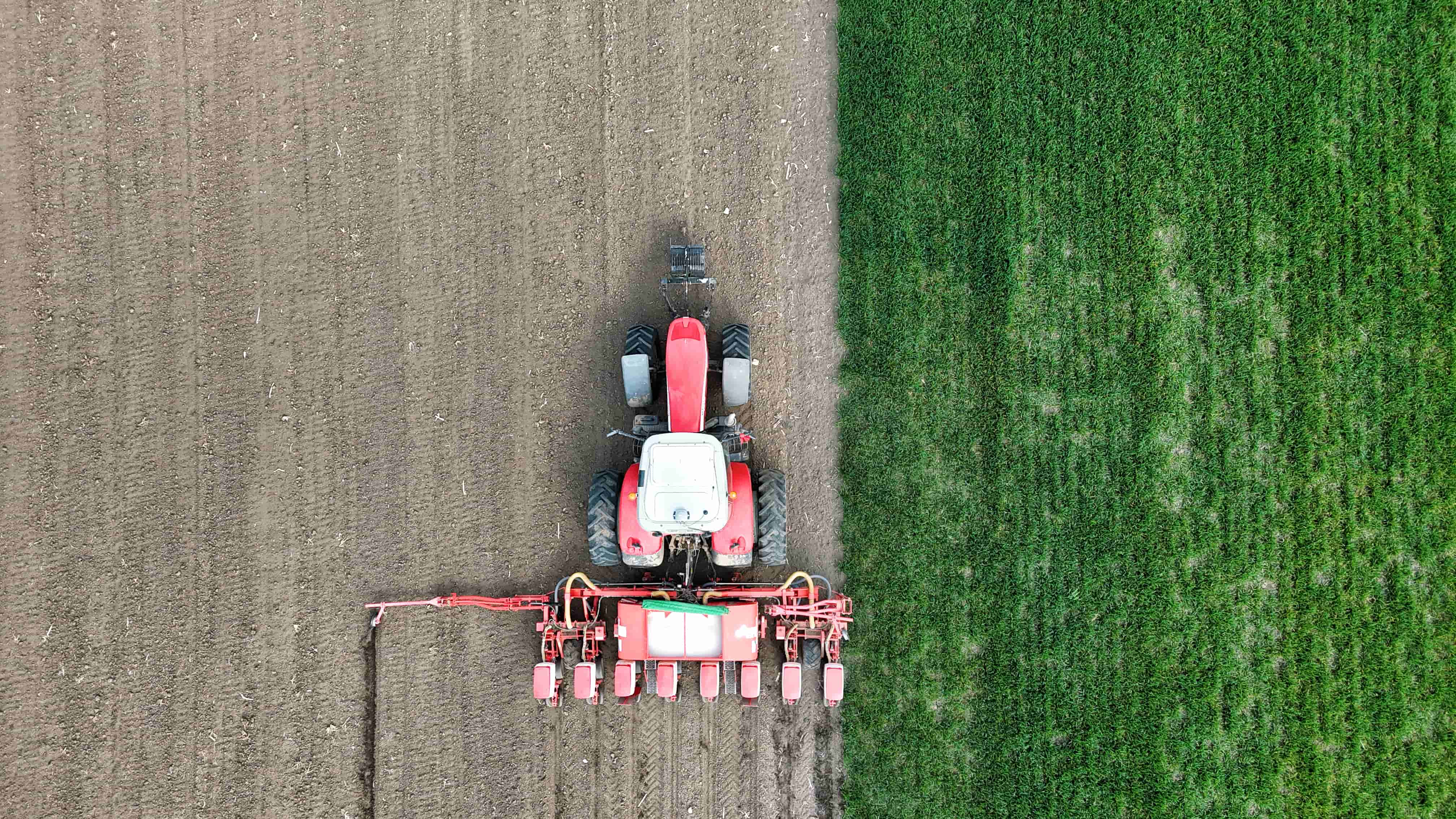
An auto steering system helps agricultural machinery follow planned routes through positioning technology and control systems. It is commonly used in tractors and other farm machines for operations such as planting, spraying, and fertilizing. The system reduces manual steering workload and helps maintain consistent driving paths during field work.
When evaluating an AG auto steer system supplier, users should first understand how the system works. A complete solution usually includes GNSS positioning, control terminals, steering components, and related software. These parts work together to support accurate machine movement in different farming environments.
Key Factors When Evaluating Agricultural Steering Technology
The performance of an auto steering system depends on several technical factors. Positioning accuracy is one of the important considerations because agricultural tasks often require stable machine movement. Farmers should check whether the system can match their field conditions, equipment types, and operational requirements.
Another factor is compatibility. Different farms may use different tractor models and machinery brands. A suitable supplier should provide solutions that can adapt to various equipment structures. This flexibility allows users to integrate intelligent guidance functions without replacing existing machines.
Checking Product Design and System Integration Ability
A reliable AG auto steer system supplier should have clear product information and practical application experience. Agricultural users need to know how the hardware connects with tractors, how the control system operates, and whether installation requirements match their equipment.
EFIX focuses on agricultural automation solutions and provides auto steering systems designed for farming machinery. Their solutions include components such as GNSS receivers, control terminals, and steering systems. The company provides different options for agricultural equipment integration, helping users apply precision navigation technology to various farming scenarios.
Considering Accuracy, Operation, and User Experience
Farm operators often work in different environments, including open fields, uneven land, and large agricultural areas. Therefore, an auto steering system needs to provide stable operation under changing conditions. Users should consider system response, interface design, and daily operation methods before making a choice.
Simple operation is also important because agricultural workers may have different levels of experience with digital equipment. A clear interface and practical control functions can reduce learning difficulties. These details influence how smoothly the system can be used during regular farming activities.
The Importance of Technical Support and Service
Agricultural technology requires continuous support after installation. Before selecting a supplier, users should learn about technical assistance, product updates, and maintenance services. A supplier with clear support processes can help users solve operational issues more efficiently.
Service capability is especially important for farms that depend on equipment during specific farming seasons. Delays caused by equipment problems may affect planned operations. Therefore, communication channels and professional support should be included in the evaluation process when choosing an agricultural technology partner.
Exploring EFIX Auto Steering System Solutions
When comparing different suppliers, users can review product features and application methods. EFIX provides auto steering solutions for agricultural machinery, including systems designed for tractor guidance and precision field operations. Their products combine GNSS positioning technology with steering control functions to support automated machine movement.
The solutions offered by EFIX include options such as electric steering and hydraulic steering systems. These systems are designed for different agricultural equipment requirements. By connecting positioning information with machine control, they help farmers manage driving routes more consistently during field operations.
Matching Supplier Capability with Farming Requirements
Every agricultural operation has different needs. A small farm may focus on easy installation and basic guidance functions, while larger operations may require equipment integration and advanced management features. The right supplier should understand these differences and provide suitable solutions.
Before choosing an AG auto steer system supplier, users should compare technical specifications, product applications, and service conditions. A careful evaluation process helps farmers select equipment that fits their current needs and future development plans.
Conclusion
Selecting an agricultural steering technology provider requires attention to accuracy, compatibility, product design, and service support. Auto steering systems are not only equipment upgrades but also tools that connect modern farming machinery with digital technology.
Companies like EFIX provide agricultural automation solutions that support the development of precision farming practices. By understanding system functions and evaluating supplier capabilities, users can make more practical decisions when introducing auto steering technology into their farming operations.
