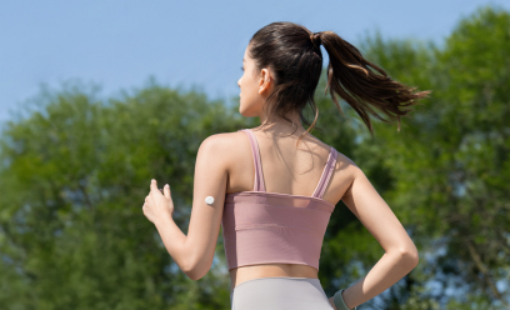
For decades, the cornerstone of at-home diabetes management has been self-monitoring of blood glucose (SMBG) via routine capillary blood sampling, commonly known as finger pricking. While this method provides valuable diagnostic information, it only offers an isolated snapshot of an individual’s metabolic state at a specific moment in time.
Because glucose levels can fluctuate rapidly due to meals, physical exertion, stress, and medication, these static snapshots often fail to capture the complete physiological picture. Today, a growing number of individuals and healthcare professionals are turning to advanced sensing technologies to bridge this informational gap.
Understanding the shift toward these digital tools requires exploring both the clinical limitations of traditional testing and the actionable insights provided by modern continuous tracking.
Uncovering Hidden Glycemic Variability
One of the primary reasons individuals transition to continuous tracking is the need to visualize glycemic variability—the unpredictable swings in glucose levels that occur between routine tests. High glycemic variability is increasingly recognized by endocrinologists as a significant factor in long-term metabolic health, potentially contributing to oxidative stress and cellular fatigue.
When patients rely solely on intermittent testing, they may completely miss rapid postprandial (post-meal) spikes or dangerous nocturnal drops in glucose. For instance, an individual might record a stable fasting glucose reading in the morning and a stable pre-dinner reading, completely unaware that their glucose levels surged significantly during the afternoon.
Continuous sensors help address this by recording metrics 24 hours a day. By generating a comprehensive Ambulatory Glucose Profile (AGP), these systems allow both the user and their healthcare team to see exactly how much time is spent within a clinically recommended target range (Time in Range, or TIR).
Maximizing this Time in Range is a primary therapeutic goal, and continuous data provides the foundational roadmap necessary to help achieve it. For those looking to understand the fundamental technology behind these metrics, exploring resources on what is cgm provides essential context regarding how these devices translate biological signals into digital insights.
The Mechanics of Subcutaneous Sensing
To fully appreciate the clinical value of continuous monitoring, it is helpful to understand the underlying biological mechanics. Unlike traditional test strips that analyze whole blood from a capillary bed, continuous sensors evaluate interstitial fluid—the fluid that surrounds the cells just beneath the skin’s surface.
A microscopic, flexible sensor filament is inserted into the subcutaneous tissue, where a specific enzyme (typically glucose oxidase) reacts with the glucose present in the interstitial fluid. This chemical reaction generates a tiny electrical current proportional to the glucose concentration, which is then processed by a transmitter and sent to a display device or smartphone application.
It is important from a clinical perspective to recognize that interstitial fluid glucose is not identical to capillary blood glucose. Because glucose must diffuse from the blood vessels into the interstitial space, there is a natural physiological delay, often referred to as “lag time.”
During periods of rapid metabolic change, such as immediately after a high-carbohydrate meal or intense exercise, the sensor reading may trail the actual blood glucose value by a few minutes.Educating users about this physiological reality helps ensure they utilize the technology safely and consult with healthcare providers when interpreting sudden metabolic shifts.
Proactive Management Through Trend Analysis
Perhaps the most transformative feature of continuous monitoring is the introduction of trend arrows. A static number tells a user where their glucose is right now, but a trend arrow indicates the direction and velocity of the change. Is the glucose level stable, rising gradually, dropping rapidly, or fluctuating?
This dynamic data empowers individuals to transition from a reactive management style to a proactive one. If a user sees their glucose trending downward at a steep angle prior to a workout, they can consume a small complex carbohydrate snack to help stabilize their levels before reaching a state of clinical hypoglycemia.
Modern platforms, such as the iCan CGM system, are designed to deliver these regular updates securely to compatible digital devices. When users have access to reliable, continuous trend data, it can significantly reduce the anxiety associated with unpredictable blood sugar swings.
Furthermore, when this detailed trend history is securely shared with medical professionals, it serves as a powerful diagnostic aid. Physicians can review these detailed logs alongside patient lifestyle notes to discuss potential adjustments to basal insulin rates or recommend highly targeted dietary modifications.
The Importance of Manufacturing Quality and Dependability
Because clinical decisions are frequently guided by the data generated from these wearable devices, the underlying accuracy and reliability of the hardware are paramount. Developing a sensor that can remain embedded in subcutaneous tissue for up to 15 days while maintaining chemical stability and resisting environmental interference requires extraordinary engineering capabilities.
Healthcare providers and users alike must rely on manufacturers that adhere to stringent global quality management standards. Enterprises such as Sinocare have built a strong reputation in this highly specialized sector. Founded in 2002, the company has dedicated over two decades to the research, development, and automated manufacturing of biosensor technology.
This deep institutional focus on chronic disease management tools translates into highly refined production ecosystems. By utilizing advanced cleanroom manufacturing and rigorous automated optical inspection protocols, reputable manufacturers help ensure that every sensor batch meets strict performance tolerances.
This commitment to physical reliability and algorithmic accuracy ensures that the end-user receives a dependable medical tool capable of supporting long-term, daily health monitoring.
A Collaborative Tool for Long-Term Health
Ultimately, people with diabetes utilize continuous glucose monitoring systems because these devices offer a profound level of physiological transparency that was previously unavailable outside of a clinical laboratory setting. By illuminating hidden patterns, calculating precise trends, and reducing the physical burden of repetitive testing, continuous monitors can dramatically improve daily disease management.
However, it is crucial to view these sophisticated devices as collaborative tools rather than standalone cures. The true value of continuous tracking is realized when the data is utilized to facilitate informed, evidence-based discussions between the patient and their dedicated healthcare team. By combining reliable technological insights with professional medical guidance, individuals can navigate the complexities of their metabolic health with greater confidence and precision.
